Web3 Games in 2026: What Worked, What Failed, and What Players Should Expect
Web3 games promised ownership and rewards. By 2026, most of those projects are gone, the funding has dried up, and the survivors look a lot like normal games. Here is what the numbers say, what lasted, and what web3 should mean for you as a player.
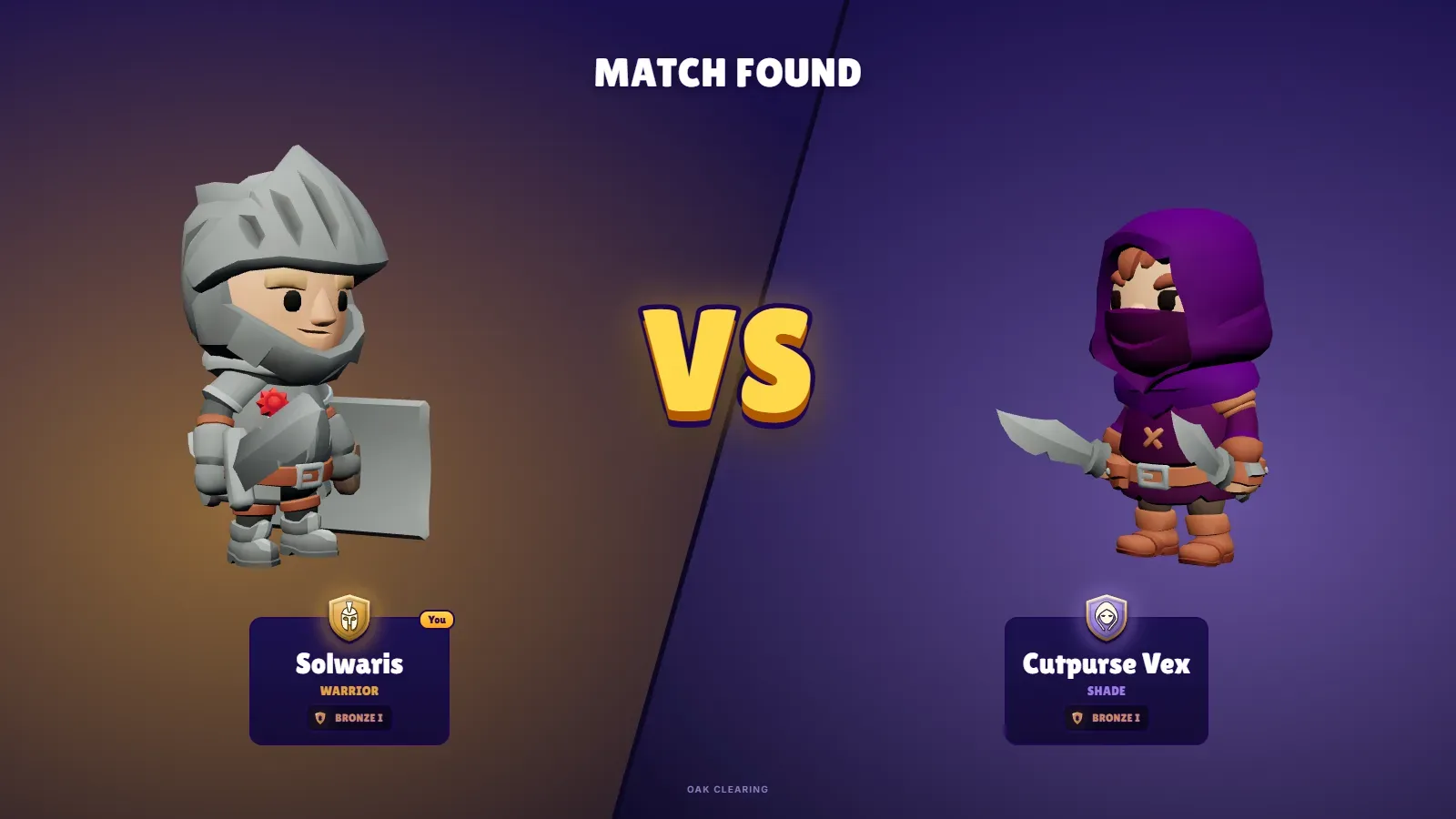
For a few years, web3 games were sold as the future of gaming: you would own your items, earn while you played, and take your progress from one game to the next. In 2026, it is time for an honest assessment. Most of those projects are gone. A few are still running, and they have one thing in common: they are games first.
This article does not try to sell you a token. It looks at what the data says, which models survived, and what web3 should mean if you are a player rather than an investor.
The numbers: a hard landing
The trend is clear, and it comes from the people who track the sector for a living.
- Most projects are dead. ChainPlay analyzed 3,279 GameFi projects and found that 93% were effectively dead, meaning their token had fallen more than 90% from its peak and they had fewer than 100 daily active users. The average project lasted about four months.
- The money left. According to the same ChainPlay study, funding peaked at $5.56 billion in 2022 and fell to $859 million in 2024. DappRadar then measured just $73 million invested in the second quarter of 2025, down 93% from a year earlier.
- Players left too. DappRadar counted 5.8 million daily unique active wallets in blockchain games in Q1 2025, 4.8 million in Q2, the lowest since early 2023, and 4.66 million in Q3. In Q2 2025 alone, it reported more than 300 web3 games had gone inactive.
A wallet is not a player, and one person can hold several, so these numbers overstate the real audience rather than understate it.
What failed, and why
The failures were not random. The same design choices show up again and again.
Rewards paid in a token nobody needed
The classic play-to-earn loop paid players in a token the game itself created. That token only held its value while new players kept buying in. Axie Infinity is the best-known example: its SLP reward token went from about $0.36 in May 2021 to under a cent by February 2022, and in January 2026 Axie stopped SLP rewards in its ranked mode altogether, citing bots.
Paying to enter before you could play
Many projects sold NFTs and tokens before the game existed. Entry prices climbed until only speculators could afford them, and the players the game needed never arrived.
Security risk on top of market risk
In March 2022, the Ronin bridge behind Axie was hacked for about $625 million in ETH and USDC. Blockchain games added a new kind of risk that normal games never had.
Closures, even with funding
At least 22 crypto games shut down or dropped their web3 features in 2025, according to BitPinas. The list kept by GAMES.GG includes Ember Sword, Blast Royale, Metalcore and Nyan Heroes, a Solana shooter that closed for lack of funding after its token had lost around 99% of its peak value. The list kept growing in 2026: Pixiland moved to a web2 model in January, and Forgotten Runiverse went offline the same month.
What worked: games first, blockchain optional
The web3 games still running in 2026 look very different from the 2021 farms. Here are the patterns that held up.
1. Free to play, with the blockchain in the background. Gods Unchained, a trading card game you can play in the browser, is free, and its NFT cards are an option, not a ticket. It released a new expansion, The Waking Plague, in June 2026. Illuvium: Arena, an autobattler on the Epic Games Store, says in its own FAQ that you can play the full game without owning anything.
2. A real release cycle. Surviving games ship updates like any studio does. Illuvium was still patching Arena in September 2026; Splinterlands was still publishing release notes the same month.
3. Blockchain features you can ignore. The developers of Off the Grid, a free battle royale on PC and consoles, describe its NFT elements as optional, and its Steam version is simply a free shooter.
4. Money that moves between players, not out of a printer. Some newer games do not issue a reward token at all. Players put up money, and the better player takes it. It is a smaller promise than "earn while you play", but it does not depend on a token rising forever.
What web3 should mean for players
Strip away the marketing, and there are three things a blockchain can honestly offer a player. Everything else is optional.
Just as important is what web3 should not mean: an advantage you can buy. If paying improves your odds of winning, it is pay-to-win with a wallet attached.
How Solwaris applies this
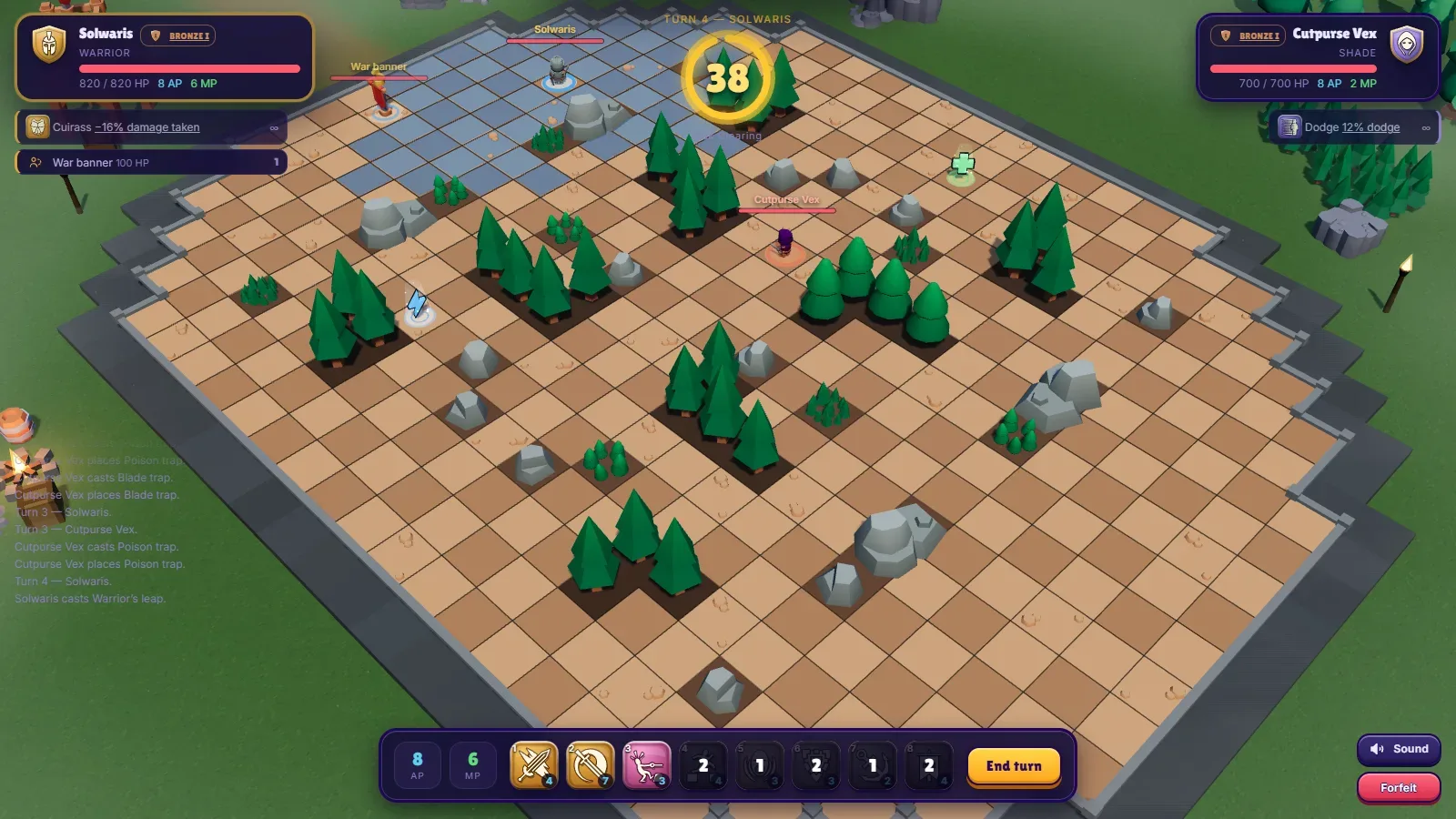
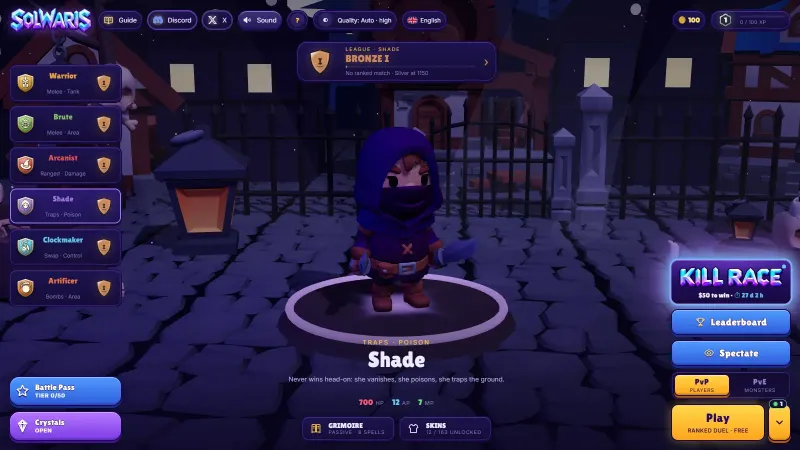
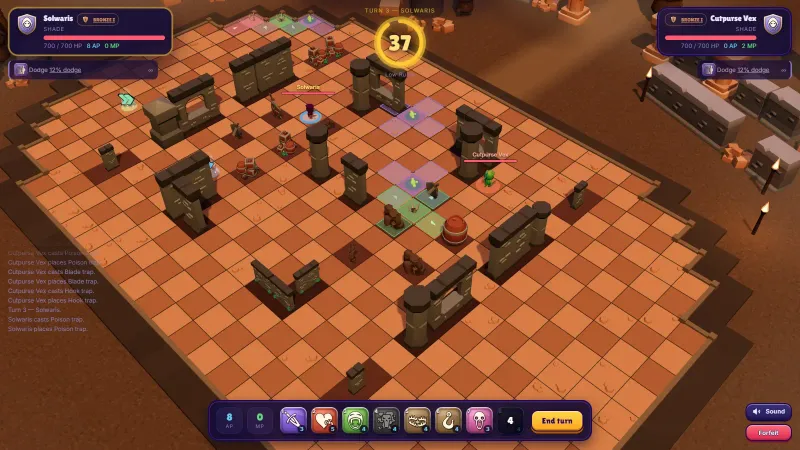
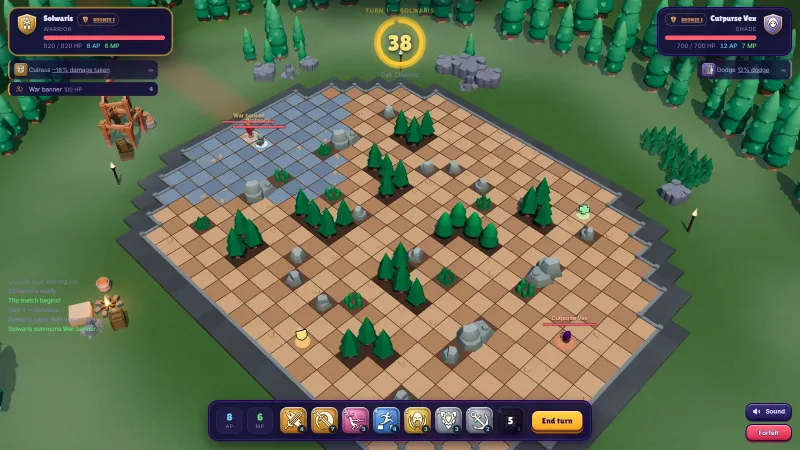
Solwaris is a 1v1 turn-based tactics game played in the browser, and it was built around those three points.
- Free without a wallet. The whole game, all 6 classes, ranked leagues, AI training and 2v2, needs no wallet and no sign-up.
- Ownership. For optional stake matches at 1, 5 or 10 USDC, your USDC stays in your wallet. You sign a capped delegation on Solana, which you can revoke at any time.
- Open payouts. Both stakes move to an address dedicated to that one match. The winner takes the pot minus a 12.5% fee, so 17.50 USDC on a 10 USDC duel. The economy page lists every number.
- No forced token. There is no token and no NFT. Cosmetics lower the fee but never touch damage, range or any rule.
It also has limits you should know about. Solwaris is young, the community is small, and at quiet hours you will often face the AI. And a stake can be lost: if you lose the match, you lose your stake. This is a way to compete, not a way to make a living.
The bottom line
Web3 gaming did not fail because blockchains cannot be useful in games. It failed because too many projects were financial products with a game attached. The ones left in 2026 turned that around: the game comes first, the blockchain stays in the background, and nobody has to buy a token to play.
When you look at any web3 game, ask the simple questions. Is it fun for free? Where does the money come from? Can you play without buying anything? For more on how rewards are structured, see our guide to play-to-earn games, or our profile of BR1: INFINITE, a real-money shooter on Solana.
This article is not financial advice. Stakes can be lost, and you should check what the law allows where you live.
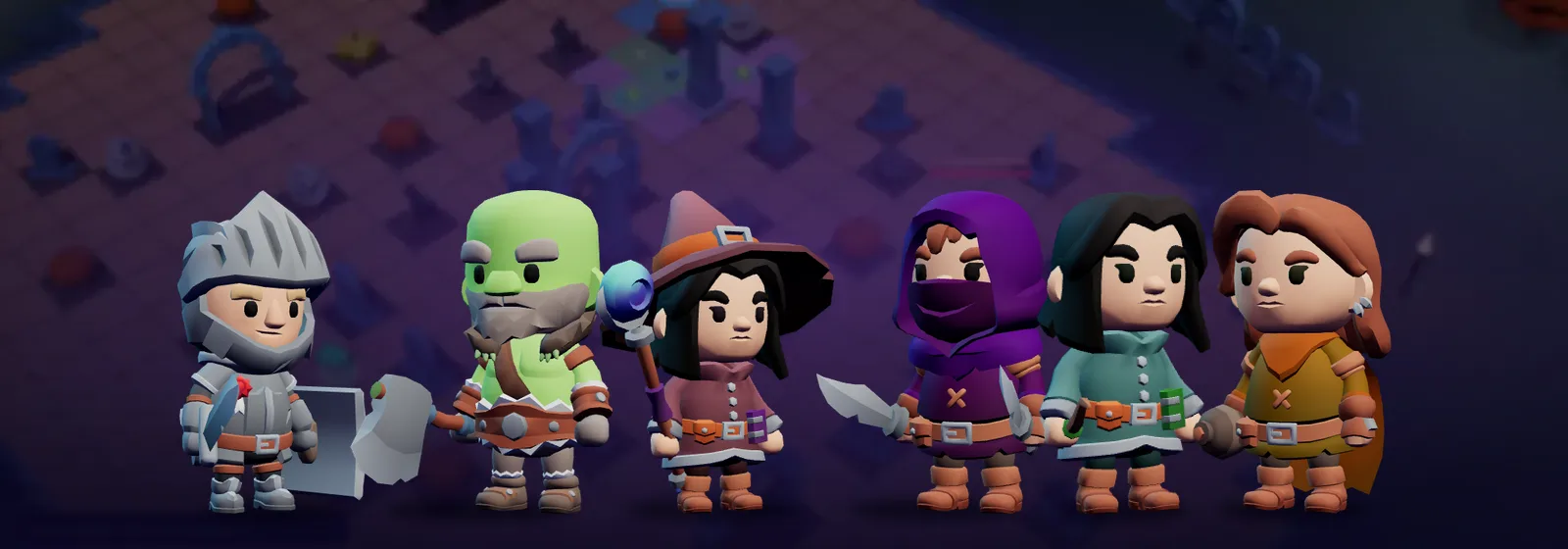
Six classes. One duel. Your strategy.
Pick a hero, take your position and beat another player — or an AI — turn by turn. Nothing to install: it plays right here.
Frequently asked questions
Are web3 games dead?
Not all of them, but most are. ChainPlay counted 93 percent of the GameFi projects it tracked as effectively dead, and funding for the sector collapsed between 2022 and 2025. The games still active in 2026 are mostly the ones that are playable and fun without the token.
What is a web3 game?
It is a game that uses a blockchain for part of its economy, such as items you hold in your own wallet, a token, or payments between players. The blockchain part can be central, as in token farming games, or optional, as in games where you can ignore it entirely.
Do you need crypto to play web3 games?
Less and less. Many web3 games in 2026 can be played for free without a wallet, such as Gods Unchained, Illuvium Arena or Solwaris. A wallet is only needed for the optional parts, such as trading items or playing for stakes.
Why did so many web3 games fail?
Mostly because rewards were paid in tokens whose value depended on new players buying in. When growth stopped, token prices fell, rewards lost their value, and players left. Many projects also sold tokens and NFTs before they had a game worth playing.