Are Play-to-Earn Games Legit? A Red-Flag Checklist Before You Connect a Wallet
Some play-to-earn games are real games run by real studios. Others were never games at all. The difference rarely shows on the trailer: it shows in who built it, where the rewards come from, and what the game asks your wallet to sign. Here is how to check all three before you connect anything.
The short answer: some play-to-earn games are legit, and a lot were not. The long answer matters more, because the games that hurt players rarely looked like scams at first. They had art, a roadmap, a Discord full of excitement and sometimes real investors. This article skips the theory. It goes through what actually went wrong in well-documented cases, turns it into a checklist, and ends with the part most guides skip: what your wallet is really agreeing to when you click “Sign”.
What “legit” should mean for a play-to-earn game
A legit play-to-earn game is not one that makes you money. No honest game can promise that. It is one where:
- the game exists and you can play it before paying anything;
- the people behind it are identifiable and accountable;
- you can see where rewards come from: other players’ stakes, sponsors, a prize pool, or a token whose supply you can check;
- your wallet is never asked for more than the game needs.
Notice what is not on this list: token price, APY, “early access” to an NFT mint. Those are sales arguments, not proof of anything.
Four real cases, four different ways it went wrong
These cases are well documented, and each teaches a different lesson.
| Case | Year | What happened | The lesson |
|---|---|---|---|
| Ronin bridge (Axie Infinity) | 2022 | Attackers took 5 of the 9 validator keys and drained 173,600 ETH and 25.5M USDC | A real, popular game can still lose funds through its infrastructure |
| Squid Game token (SQUID) | 2021 | Selling was restricted; the token crashed 99.99% in a day when the developers left | Check that you can exit before you enter |
| Evolved Apes | 2021 | NFTs sold for a fighting game that never existed; the anonymous creator left with 798 ETH | No game, no proof |
| Nyan Heroes | 2025 | A real Solana shooter shut down for lack of funding; its token had lost about 99% | Even honest projects can close |
Ronin: the legit game that still lost the money. In March 2022, the bridge that moved funds in and out of Axie Infinity’s Ronin chain was drained. According to Elliptic, the attackers controlled five of the nine validator keys, enough to approve withdrawals, and the theft went unnoticed for six days, until a user could not withdraw 5,000 ETH. Reporting by The Block traced the entry point to a fake job offer sent as a PDF to a Sky Mavis engineer, and the FBI attributed the theft to North Korea’s Lazarus Group. The lesson is not “Axie was a scam”: it was not. It is that your funds are only as safe as the weakest system they pass through.
Squid Game token: the trap in the contract. In late 2021 a token riding on the Netflix show rose by more than 35,000% in three days. CoinDesk reported that trading rules built into the project made selling hard for holders, and the token lost 99.99% of its value in 24 hours when the developers said they were leaving. The price chart looked great. The contract was the problem.
Evolved Apes: the game that was only a promise. In 2021, a collection of 10,000 NFTs was sold as the entry ticket to a fighting game in the vein of Axie Infinity. A week after launch, the anonymous creator disappeared with 798 ETH, about $2.7 million at the time. The game never existed. In June 2024, US prosecutors charged three people with wire fraud and money laundering over the scheme.
Nyan Heroes: the honest shutdown. Not every failure is a scam. Nyan Heroes, a playable shooter on Solana, announced its closure in May 2025 because it could not secure funding. Its token had lost about 99% from its peak. Dozens of other crypto games closed or left web3 in 2025. If your money sits in a game’s token or NFTs, the studio’s runway is your risk too.
The red-flag checklist
One flag alone is not proof. An early-stage game can have an anonymous founder and still be sincere. But three or four together is the pattern the scams above have in common.
How to verify a game before connecting a wallet
Spend fifteen minutes on this. It is less than the time most people spend picking a skin.
- Play the free version first. If there is none, ask why. A game confident in its gameplay lets you try it.
- Find the company. A registered company, named founders, a studio history, press coverage that is not paid content. Search the founders’ names with “scam” and “lawsuit”.
- Read where the money comes from. An economy page should tell you who pays the winners. If rewards are minted, how much, and what removes tokens from circulation? Axie’s own team admitted in 2022 that far more of its reward token was being created than burned, and cut emissions to avoid what it called “total and permanent economic collapse”.
- Check the contract and the token. Is the contract verified on the block explorer? Who holds the supply? Can holders sell? A tiny test sale before buying more tells you more than any whitepaper.
- Look at the exits, not only the entries. How do you withdraw? What happens to your funds if a match is interrupted, or if the studio shuts down?
- Get the official URL from two sources (the official X account and the official Discord, for instance) and bookmark it. Fake sites copy real ones pixel for pixel.
What your wallet is actually signing
Connecting a wallet only shares your public address. The danger is in what you sign next. Three kinds of permission deserve your attention.
- Token approvals (Ethereum and EVM chains). An approval lets a contract spend your tokens on your behalf. As Revoke.cash explains, a contract holding that permission can use it at any time, not only during the action you had in mind. Many sites request an unlimited amount by default.
- setApprovalForAll (NFTs). One signature gives a contract the right to move every NFT you hold in a collection, not just one.
- Delegations (Solana). On Solana, the token program lets you approve a delegate to move a capped amount from a token account. According to the Solana documentation, a token account has one delegate at a time, and the owner can revoke it with a single instruction.
Attackers know this. Scam Sniffer counted $83.85 million stolen by signature phishing in 2025, from 106,106 victims, down from $494 million in 2024. The largest cases relied on permit-style signatures that looked harmless on screen.
Where Solwaris fits
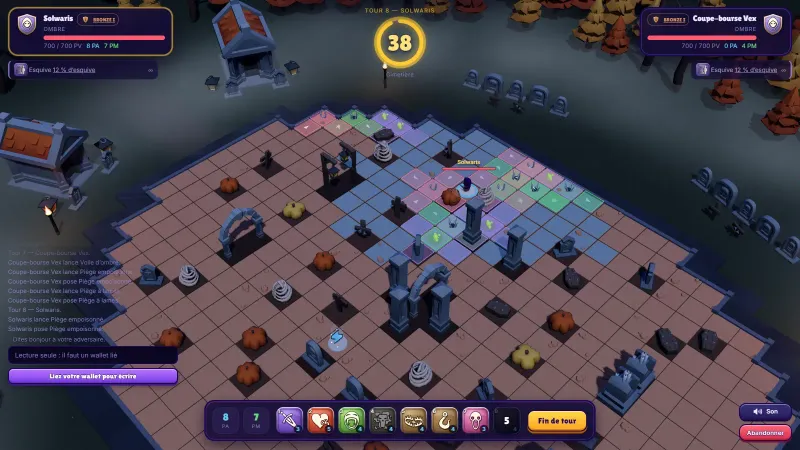
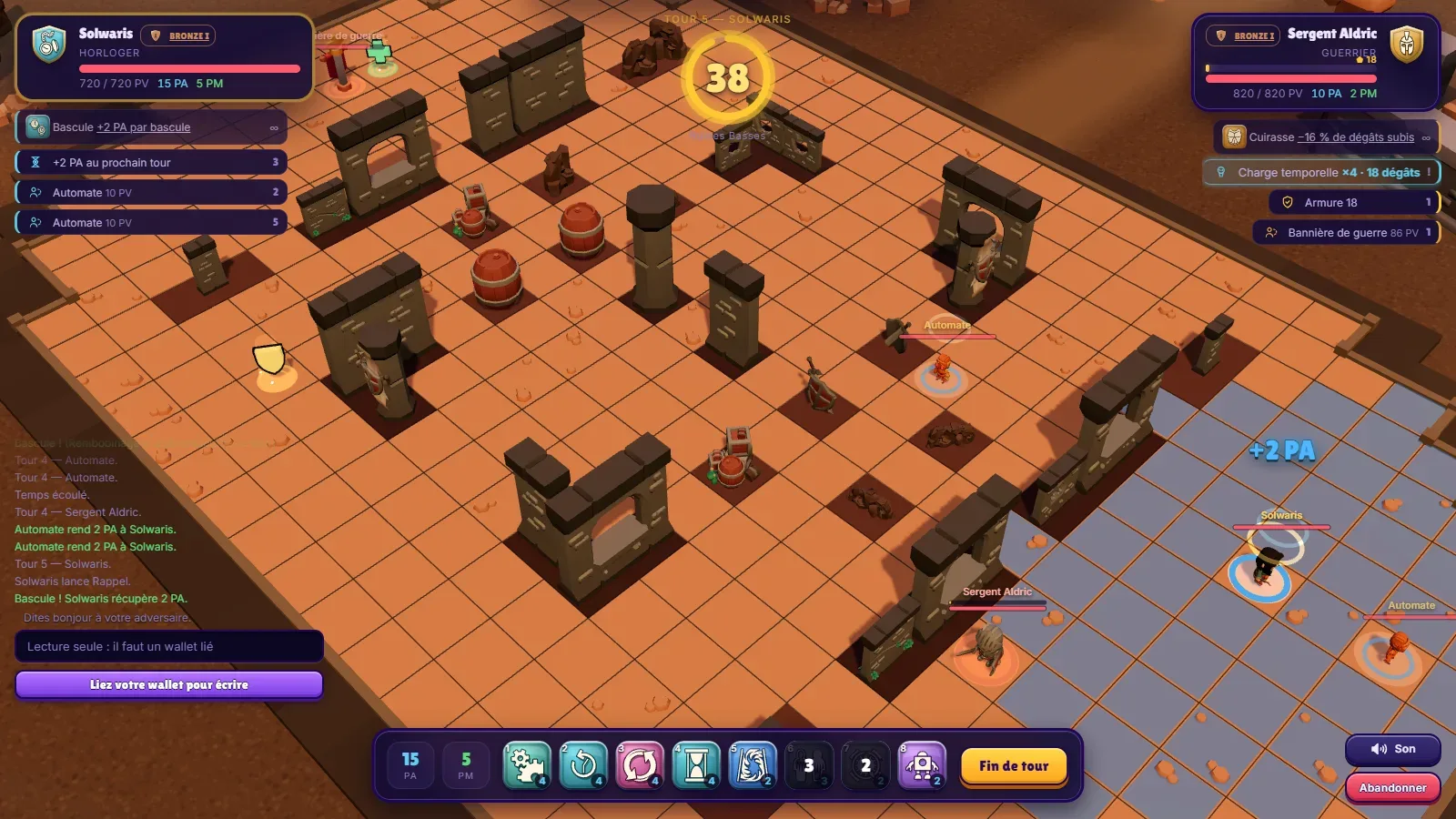
Solwaris is a 1v1 turn-based tactics game played in the browser. We will not tell you to trust it because we say so. Here is how it measures against the checklist above, with its limits.
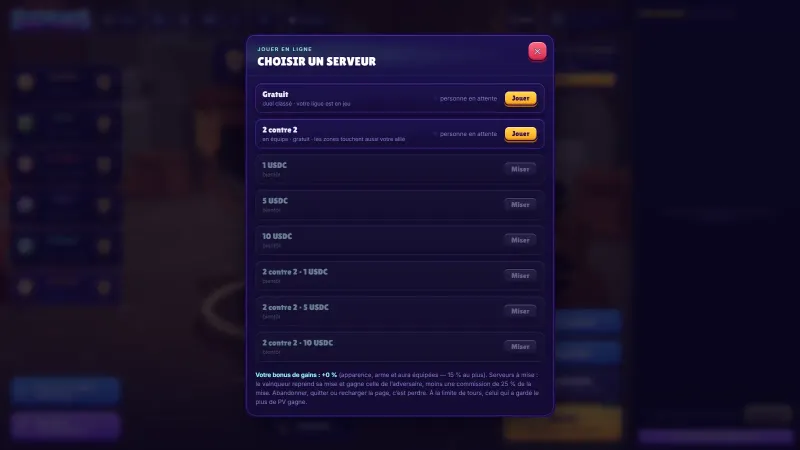
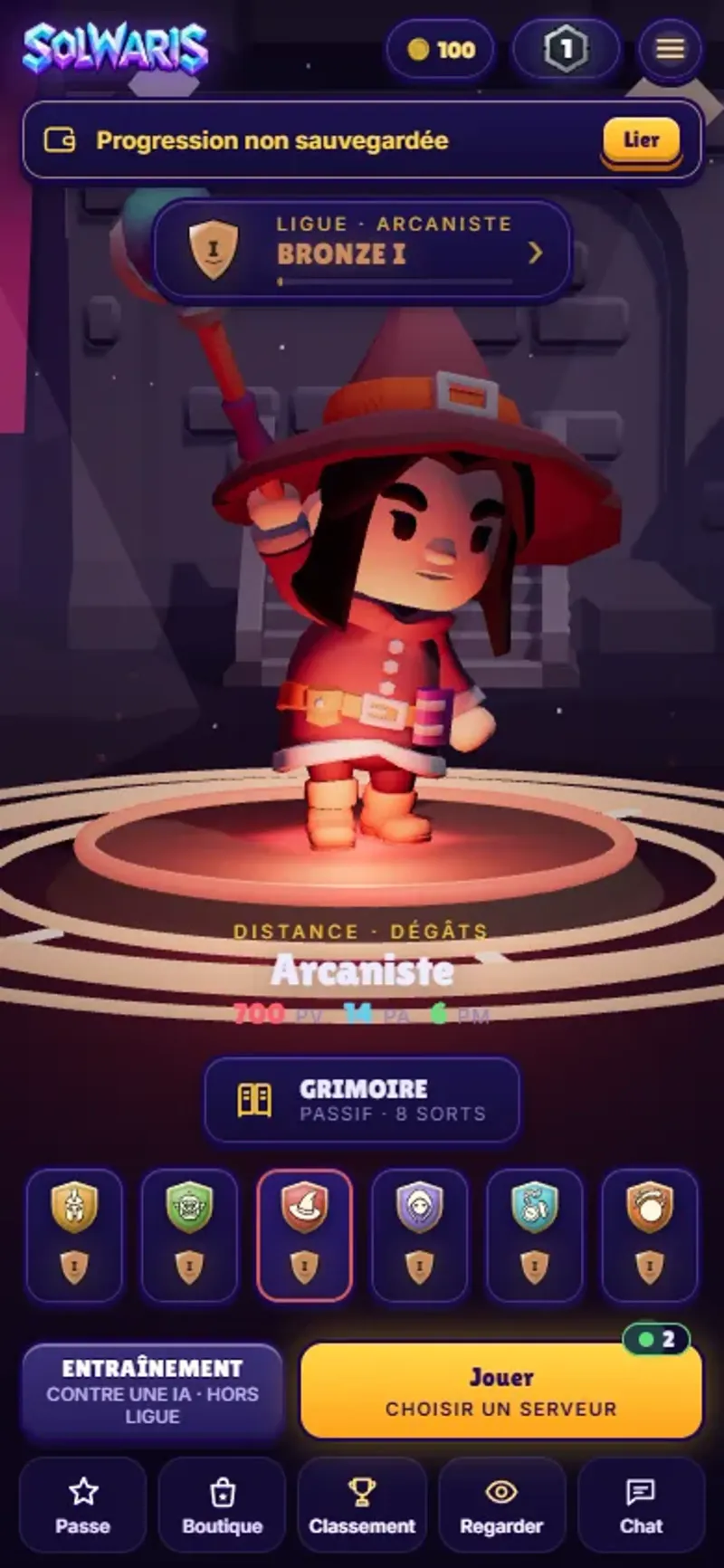
- Free to play without a wallet. The whole game, all 6 classes, the ranked leagues and the AI training work without connecting anything.
- Where the money comes from. Only in optional stake matches, at 1, 5 or 10 USDC: two players stake the same amount, and the winner takes the pot minus a 12.5% fee, so 17.50 USDC on a 10 USDC duel. No token is minted and there is no NFT. Stakes can be lost, and often will be if you face a better player.
- What you sign. A capped SPL delegation on Solana, sized to the stake, that you can revoke at any time. Both stakes move to an address dedicated to that single match. The economy guide lists every number.
- Its limits. Solwaris is a young game with a small community: at quiet hours you may wait for an opponent. And staking real money between players is restricted in some countries, so check your local law first.
The bottom line
Are play-to-earn games legit? Some are, and you can tell them apart if you look at the right things: a game you can play first, a team you can name, rewards whose source you can see, and a wallet request that asks for no more than it needs. Everything else, especially promised returns, is marketing.
For the wider picture of how P2E models changed, read our overview of play-to-earn games in 2026.
This article is not financial or legal advice. Anything you stake in a game can be lost.
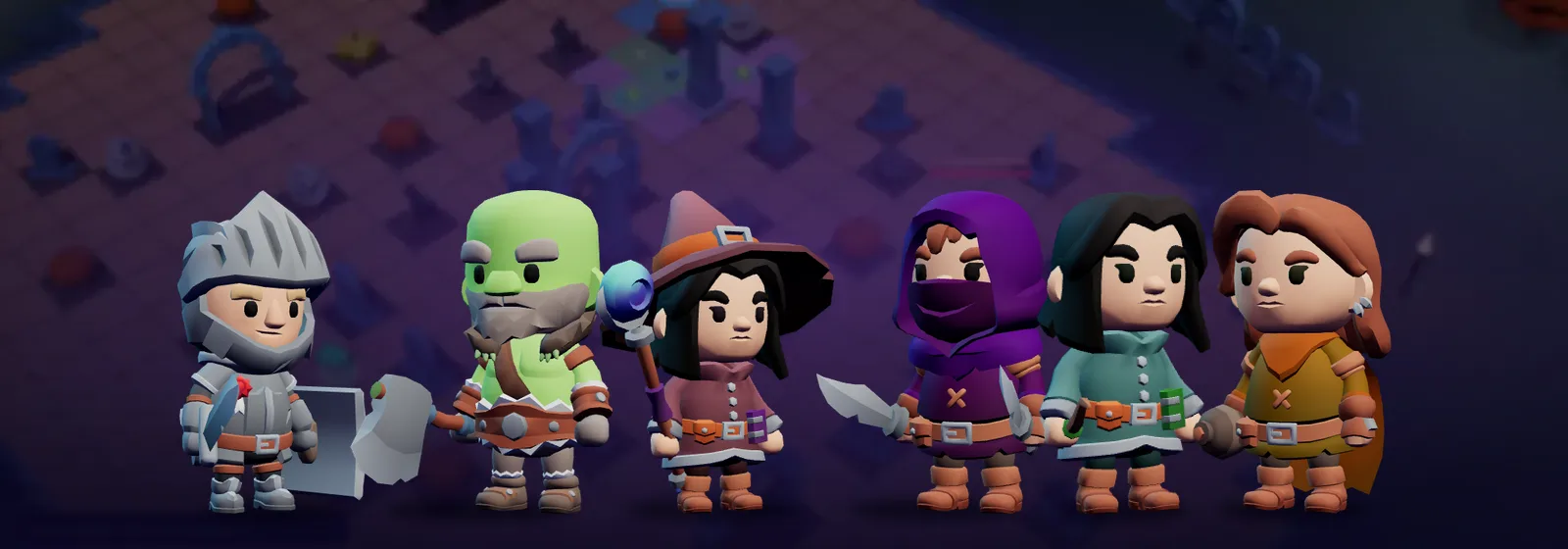
Six classes. One duel. Your strategy.
Pick a hero, take your position and beat another player — or an AI — turn by turn. Nothing to install: it plays right here.
Frequently asked questions
Are play-to-earn games legit or a scam?
Both exist. Some are real games from identifiable studios, others were built to sell NFTs or tokens and then vanish. Judge each game on its team, on where the rewards come from and on what it asks your wallet to sign, not on its trailer.
How do I know if a crypto game is a rug pull?
Warning signs include an anonymous team, a game that does not exist yet while NFTs are already on sale, promised returns, pressure to buy before a deadline, and a token you can buy but struggle to sell. None of them proves a scam alone, but several together should stop you.
Is it safe to connect my wallet to a play-to-earn game?
Connecting only shares your address. The risk lies in what you sign afterwards. Use a separate wallet holding only what you are ready to lose, read every signature request, refuse unlimited approvals and revoke the ones you no longer need.
Can you play a play-to-earn game without a wallet?
Some let you. Solwaris, for example, is fully playable for free with no wallet; a wallet is only needed for optional stake matches. If a game demands a purchase or a wallet before you have even tried it, treat that as a warning sign.